
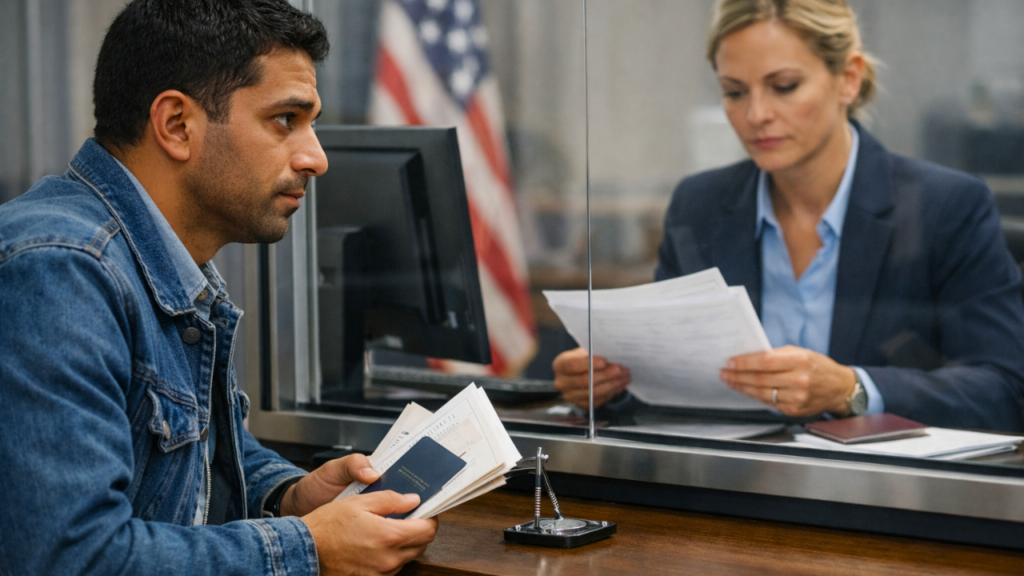
The immigrant visa interview mistakes many people make are not about bad luck. Most problems happen because applicants are not prepared, give wrong answers, or misunderstand the process.
Even if your petition was approved, your case is not guaranteed. The interview is a serious legal step. The officer decides if you truly qualify and if you are allowed to enter the United States.
This article explains the most common mistakes and how to avoid them using simple and clear steps.
Why the Immigrant Visa Interview Is So Important
Many people think the interview is just a formality. This is not true.
The consular officer must check two things:
- Are you eligible for the visa category?
- Are you legally admissible to the U.S.?
If either answer is no, the visa can be delayed or denied.
Here are the most common mistakes immigrant visa applicants make.
1. Not Knowing Basic Facts About Your Sponsor
Some applicants cannot answer simple questions about the person who filed for them.
Examples:
- Where does your sponsor live?
- What is their job?
- Are they a U.S. citizen or green card holder?
Why this is a problem
If you don’t know basic details, the officer may think the relationship is not real.
What to do instead
Before the interview, know some basic facts about your sponsor like:
- Full name
- immigration status
- City and state
- Type of work
2. Giving Answers That Do Not Match Your Forms
Your answers must match:
- DS-260 form
- I-130 petition
- Civil documents
Common mistakes:
- Wrong marriage date
- Wrong addresses
- Wrong date of birth
Why this is serious
Officers compare everything. Even small differences can make you look dishonest.
What to do instead
Review all forms before the interview.
If you don’t remember something, say:
“I don’t remember exactly.”
Never guess the answer.
3. Hiding Past U.S. Immigration Problems
Some people do not admit:
- Old visa refusals
- Overstays
- Deportation orders
- Using different names
Why this is dangerous
Officers already see your full history.
Lying can cause permanent bans.
What to do instead
Always be honest, even about old issues.
4. Forgetting Required Original Documents
Many cases are delayed because people bring only copies of their civil documents.
Common missing items:
- Birth certificates
- Marriage certificates
- Police Clearance Certificate and so on.
Why this causes delays
The law requires original of all civil documents submitted to NVC.
Without them, your case can be refused or put on administrative processing.
What to do instead
Bring the originals or certified copies of civil documents and their translations to your interview. Even if uploaded on NVC (National Visa Center) Computer Electronic Application center.
5. Poor Preparation for Marriage Interviews
Marriage cases get extra attention.
Common problems:
- Not knowing wedding details
- Different answers about spouse (petitioner)
- No other proof of relationship
Why this is risky
The marriage must be real, not just for papers.
What to do instead
Be ready to explain:
- How you met your spouse
- How you communicate with your spouse
- Your spouse’s job and where he live in the U.S.
6. Talking Too Much
Many people give long stories for simple questions.
Why this causes trouble
Extra details can create new problems.
What to do instead
Answer only what is asked.
Short. Clear. Honest.
7. Arguing With the Officer
Some applicants:
- Interrupt the interviewer
- Get angry about question asked
- Challenge decisions of consular officers
Why this hurts your case
Officers have full legal power to deny your case.
Bad behavior damages trust and can lead to visa refusal.
What to do instead
Be calm and respectful during the interview.
Final Tips for Success
Here’s a simple checklist:
- Review your forms
- Bring all documents
- Know your sponsor well
- Be honest
- Stay calm
- Don’t guess answers
Most immigrant visa interview mistakes are not about bad luck. They happen because people are unprepared or careless.
Legal Disclaimer
This article is for general education only. It is not legal advice. Immigration laws change often. Always verify your situation with a licensed immigration attorney or official government source.
AI generated blog post, but edited by Human.